$3,500.00

Not a store, nor a reseller. I just bought too many great guitars in an effort to find the right ones for me.
Questions? (303) 968-1714
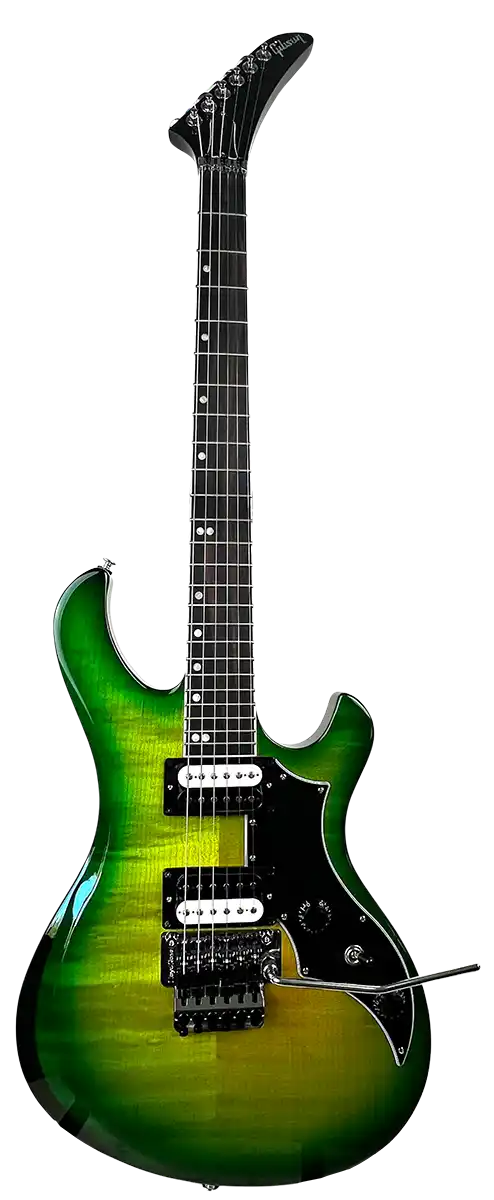
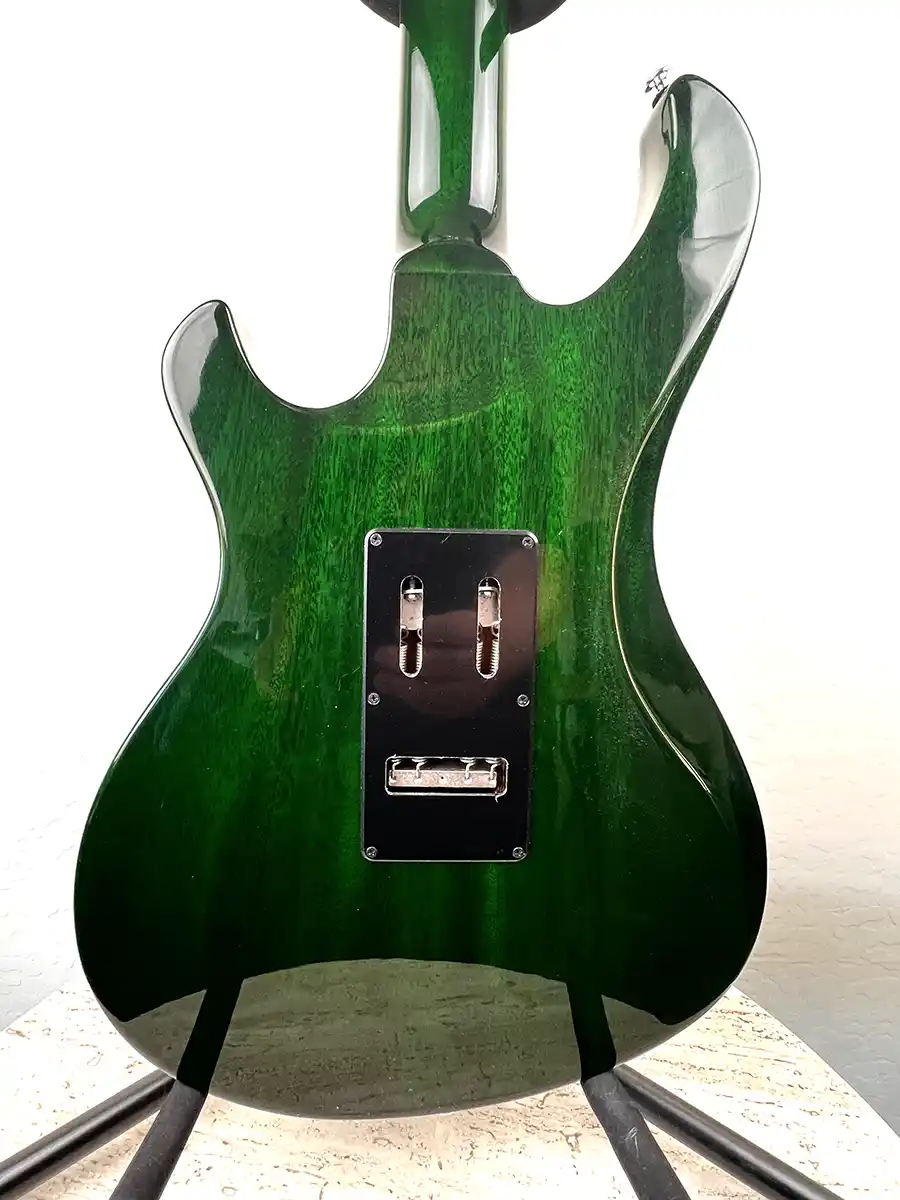
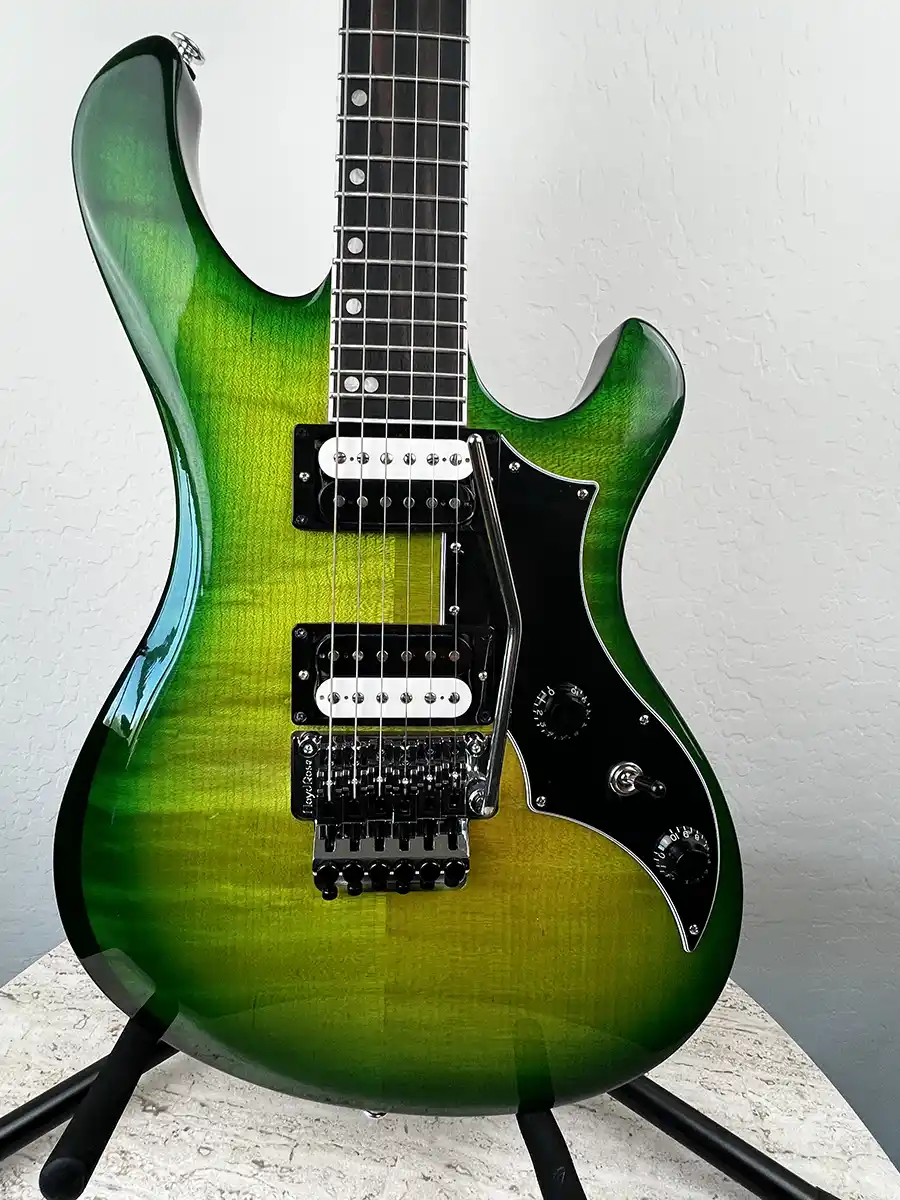
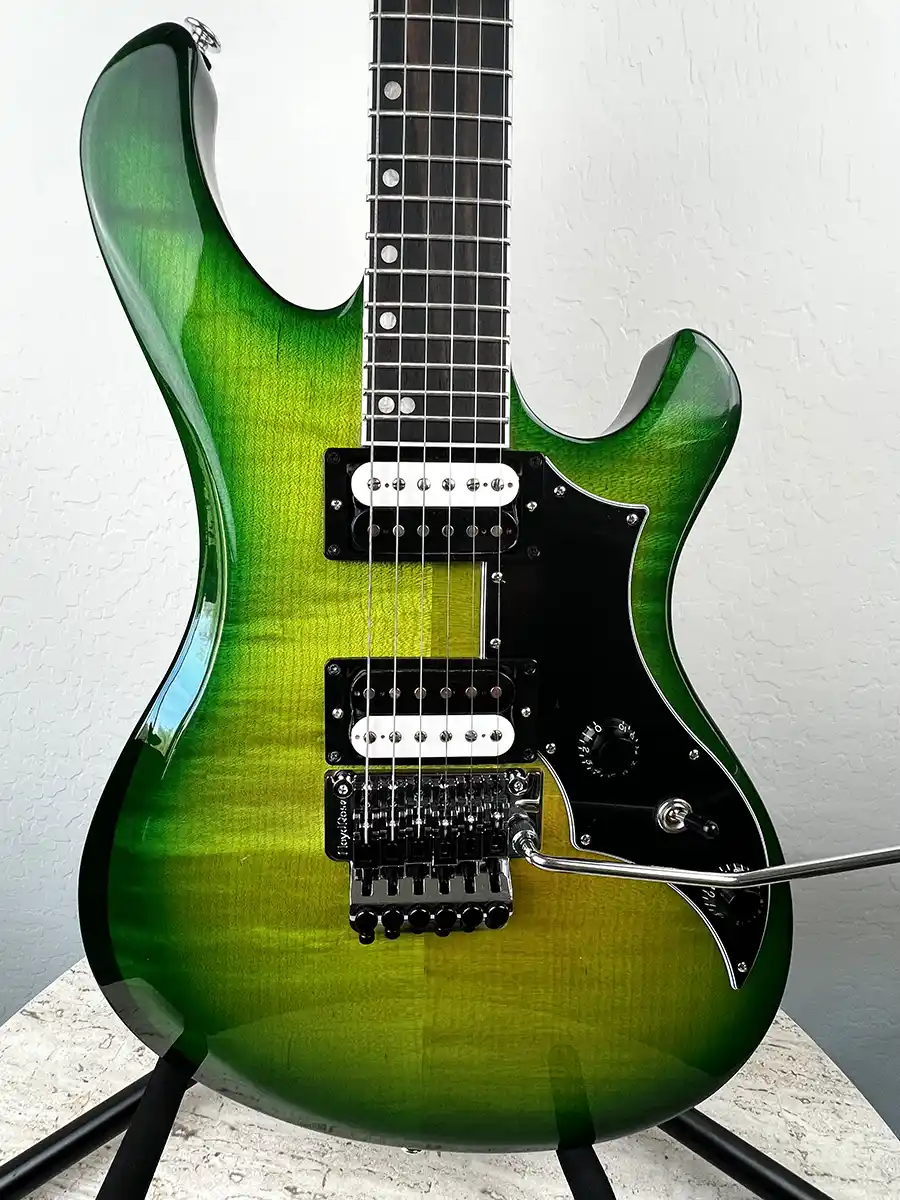
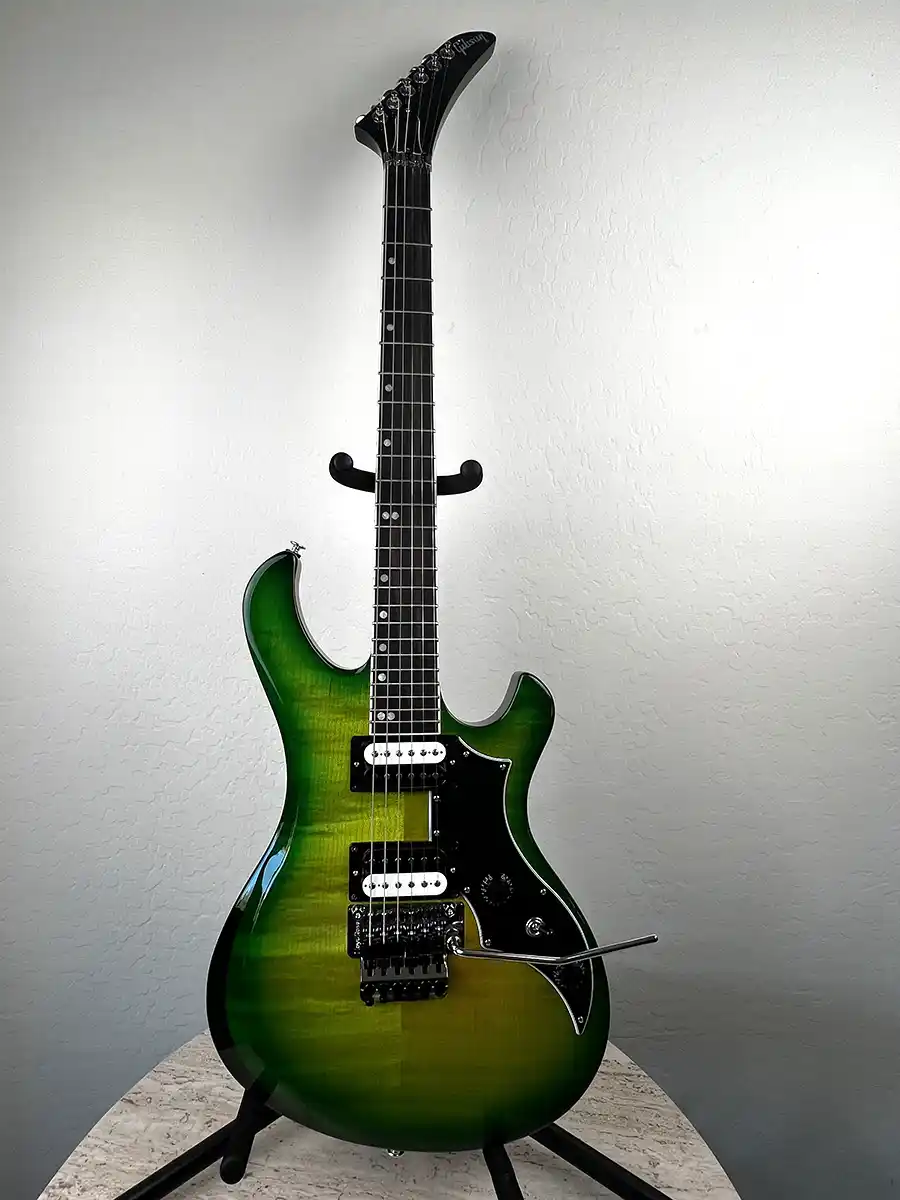
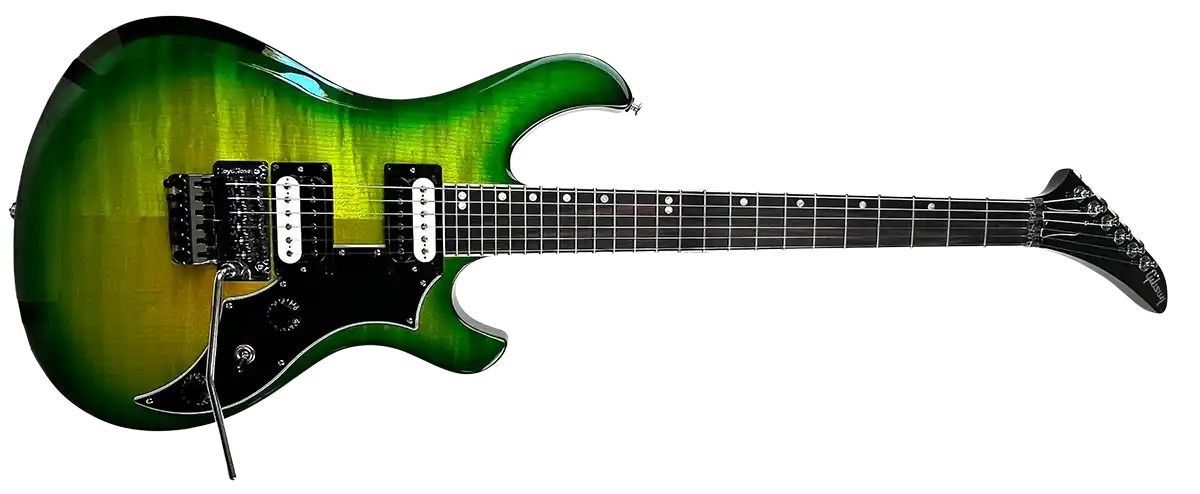
Gibson’s luthiers pulled no punches in crafting the Victory redux with a formidable foundation. Mahogany is this axe’s tonal cornerstone, used in the neck and the newly rebalanced, weight-adjusted body. As a tonewood, mahogany is revered for its expressive musicality, supplying rich harmonics, blooming overtones, and balanced full-spectrum heft, with headroom to spare. Premier AA figured maple tops the body, expanding your sonic palette with warm hues, all-around brightness, and a natural note separation that ensures everything from chords to solos is impeccably voiced. In the neck, mahogany, carved into a SlimTaper profile, complements the guitar’s body and is prized for its unusual ability to highlight the “dark-handed” or “light-handed” playing of different performers without sacrificing balance. Up top, the ebony fingerboard conjures laser-focused sustain with power and confidence in every register.
Like its aural ancestor, the revamped Victory is endowed with a fiery mix of sonic contouring tools, upgraded and enhanced with contemporary electronics tailored to support out-of-time sound — equal parts ’80s exploration and modern malleability. Dual Gibson ’80s Tribute humbuckers bring this nitro-finished axe to life, methodically voiced to push passive pliability to the brink of high-octane output without compromising clarity or definition, from clean tones and cowboy chords to lightning leads and smoldering solos. What’s more, the Victory takes up the gauntlet of its precursory powerhouse via meticulous sound-design controls, with the Master Volume and Master Tone knobs supporting detailed coil-splitting and choosing between inner and outer coils. Coupled with the 3-way pickup selector, an unbridled array of humbucking and single-coil configurations makes victory all but assured.
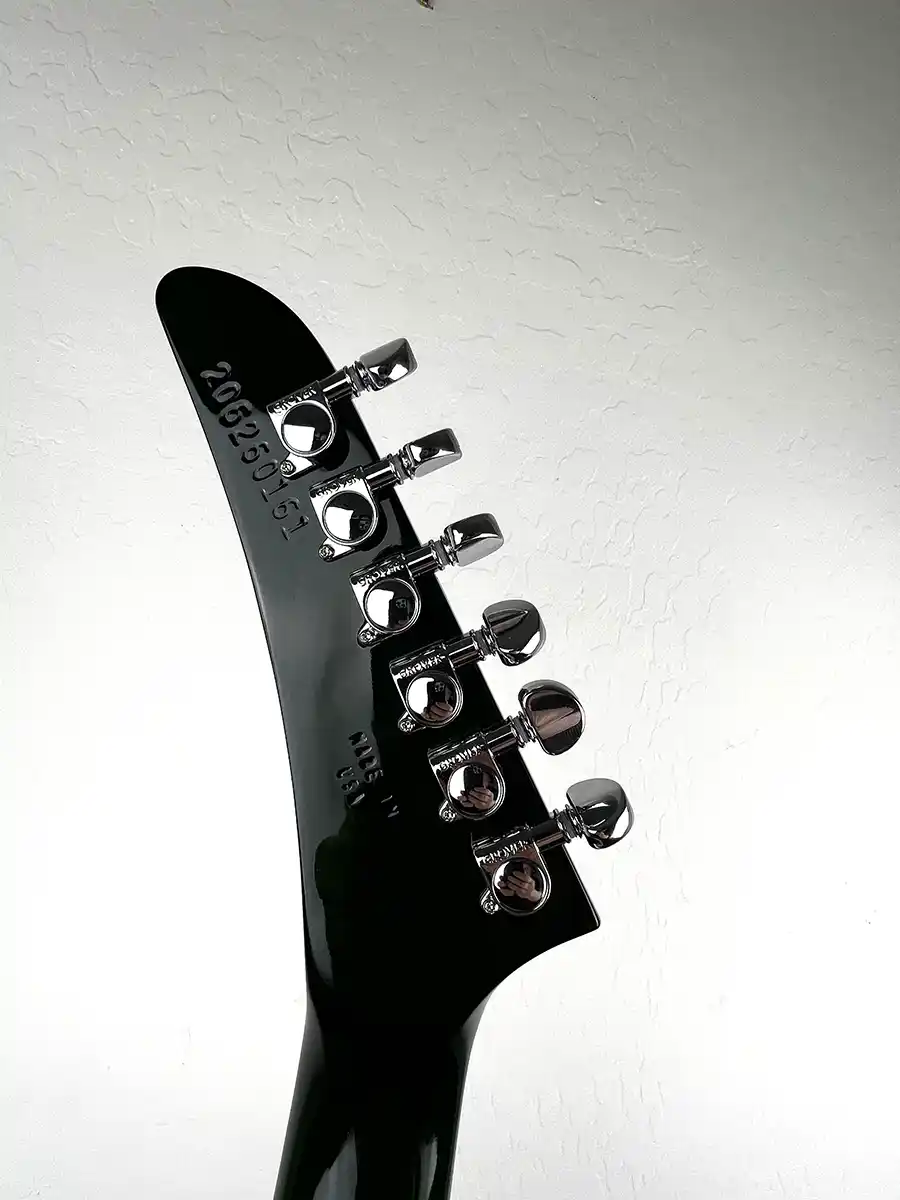
While the original Victory guitar found a home among numerous country, rock, jazz, and blues outfits, the next-gen iteration re-ups on its rock roots, borrowing from modern metal to hone its character. Built with a set-neck construction, the Victory is outfitted with a SlimTaper neck profile, carved to accommodate the lightning-fast fretwork that graces its fretboard’s 10–16-inch compound radius. In further indulgence of the heavy-hitting hues, the modern Victory expands its sonic scope, physically and musically, with a 25.5-inch scale and 24-fret spread. As speed and power abound, Grover Mini Rotomatic tuners and a Floyd Rose tremolo bookend your strings, offering secure tuning, an incredible action, and a full complement of unique sonic tricks. Elegant beveling, careful contouring, and eye-catching cutaways support multitudes of play styles, merging form and function into an all-access axe that dazzles the audio and visual realms, with the modern Victory trading its old-school Firebird-adjacent headstock for the iconic Explorer-style design.
In the early 1980s, Gibson — in a move emblematic of the era’s adventurous pursuits of style — debuted a radical departure from its classic offering: the Victory. This asymmetrical S-inspired axe was defined by its distinctive voicing options, high-output sound, and experimental silhouette (this went double for the bass versions, with some models featuring a single pickup mounted at a 45-degree angle). The series comprised the MVII and MVX models, and while both offered extensive coil-splitting capabilities, the MVX expanded its tonal territory from the MVII’s dual-humbucker layout by introducing a third middle-mounted coil, requiring a 5-way blade switch. Beyond the architectonic flexibility of the Victory’s sounds, the pickups were explicitly designed to thread a delicate needle between hallmark Gibson humbucker tones and the single-coil sonics that were endemic to the sound desired by the S-style endorsees. Interestingly enough, the marketing language surrounding the original release points toward a slew of country and adjacent musical styles, suggesting a compelling parity between the guitar’s exploratory design and how Gibson envisioned its place in the evolving guitar-playing landscape. After just a three-year lifespan, the Victory line was retired, as the Flying V and Explorer were hitting stratospheric heights of adoption among rockers worldwide. Ironically, those guitars finding mainstream success in the 1980s, some 30-or-so years after their designs debuted, is the path the modern Victory is poised to follow. And like the Explorer and Flying V before it, the redux of the Victory is being thoughtfully reimagined for its new era.